


Native Plant Recovery

About This Project
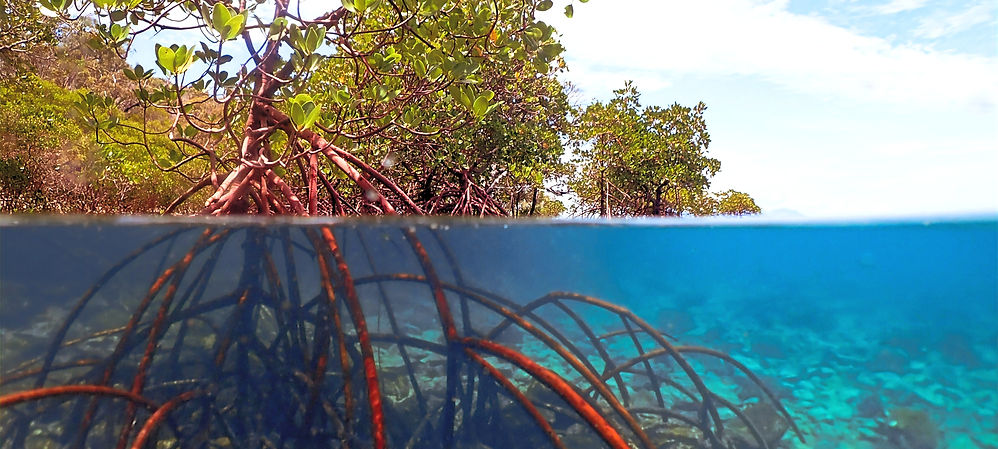
Healthy coastal ecosystems are one of the island’s best defenses against storms and erosion. This recovery project is helping native coastal ecosystems recover at carefully selected sites across St. Croix. Many of these areas were heavily impacted by hurricanes and other disturbances and have struggled to recover naturally. By planting native coastal vegetation and mangroves, we are helping these ecosystems regenerate and become more resilient over time.
Our work follows a ridge-to-reef approach, recognizing that what happens on land directly affects the health of our coastlines and coral reefs. Helping coastal habitats recover is one part of a larger effort to improve ecosystem health, strengthen the island's natural resilience, and support the communities that depend on these environments.

Why is Recovery Important?
Native plant recovery helps restore healthy, resilient coastal ecosystems by reestablishing native plants and supporting natural regeneration. Healthy coastal environments provide essential benefits, including wildlife habitat, cleaner water, erosion control, and natural protection from storms. By recovering degraded areas, we help strengthen the natural systems that support biodiversity, improve ecosystem health, and create a more resilient coastline for future generations. These efforts benefit both the environment and the communities that depend on it.
Why Native Coastal Plants?
Native coastal plants such as sea grape, buttonwood, pink poui, and mangroves are uniquely adapted to the Virgin Islands’ environment. These species help stabilize shorelines, provide food and shelter for wildlife, and recover more successfully after storms than non-native plants. By reestablishing native vegetation where it has declined, we can strengthen the coast’s natural ability to thrive and recover over time. Their return also helps preserve the unique character and biodiversity of the Virgin Islands’ coastal landscape.

How Do Native Plants Benefit Our Community?

Vincent Mason Pool

Vincent Mason Pools is a well-loved community recreation area where planting native vegetation can help balance public access with the needs of the surrounding ecosystem. The site faces challenges from heavy use, coastal exposure, and impacts to sea turtle nesting habitat, including artificial lighting that can affect nesting and hatchling behavior. Planting plans are being developed to fill gaps in existing vegetation, create natural screening, and improve habitat conditions while maintaining beach access and recreational spaces. By carefully incorporating native coastal plants into the landscape, this project will enhance the ecological function of the site while supporting the community activities that make Vincent Mason Pools special.
West End Salt Pond
West End Salt Pond and the adjacent beach, Hesselberg, has experienced significant coastal changes due to hurricanes, storm surge, drought, and ongoing erosion pressures. Following Hurricane Maria, sections of the shoreline experienced vegetation loss, storm debris impacts, and increased exposure to coastal hazards, with areas that once supported native coastal vegetation becoming fragmented and colonized by invasive tan tan and grasses. Recovery at Hesselberg focuses on reestablishing native coastal trees and shrubs adapted to sandy, saline, and drought-prone conditions. By reconnecting fragmented vegetation and rebuilding a healthy coastal forest, this project will help restore the natural character of the site while creating a stronger foundation for long-term coastal recovery.

Altona Lagoon

At more than 200 acres, Altona Lagoon is one of the largest remaining wetlands in the U.S. Virgin Islands and plays an important role in connecting coastal habitats, seagrass beds, and coral reefs. The lagoon provides habitat for a variety of wildlife while also serving as a valued community space for fishing, boating, picnicking, and recreation. Although hurricanes have caused significant damage to the ecosystem, red mangroves have begun to naturally recover in parts of the lagoon, demonstrating the area’s potential for regeneration. Recovery efforts will build on this natural process by planting native coastal species and supporting mangrove recovery in areas where vegetation has been lost or degraded.
We Want to Hear From You!
(Please allow a few seconds for the survey to load)

Want to get involved?
Field work isn't your typical day outdoors—it's hands-on, sometimes muddy, often hot, and always rewarding. Whether you're planting native vegetation, collecting data, restoring habitats, monitoring wildlife, or supporting community science, every effort helps protect and strengthen St. Croix's coastal ecosystems. Join us in the field to learn new skills, connect with others who care about the environment, and make a meaningful contribution to the health and resilience of our island. Come ready to get your hands dirty and leave knowing you made a lasting difference.
Partners & Collaborators






_JPG.jpg)
